The Ministry of Agriculture and Environment (MAE) Accelerates Export of Agro-Forestry-Fishery Products to Reach $65 Billion Target
The Ministry of Agriculture and Environment (MAE) is implementing a plan to seize every opportunity to boost the export of agricultural, forestry, and fishery products starting from Q3/2025, with the goal of achieving an export turnover of USD 65 billion by the end of the year.
Minister Đỗ Đức Duy has officially signed the Decision to promulgate the 2025 Export Promotion Plan for Agro-Forestry-Fishery Products, setting the target export value at USD 65 billion.
According to the MAE, this year has seen unpredictable global developments in politics, economics, and society, which have significantly impacted Vietnam’s agricultural sector. Notably, the slow recovery of the global economy and the early-year adjustments in U.S. tariff policies have caused substantial fluctuations affecting economies worldwide, including Vietnam.
Despite these challenges, thanks to the concerted efforts of the entire sector, Vietnam achieved an export turnover of USD 33.5 billion in the first half of 2025 — a 14.3% increase compared to the same period in 2024. Of this, agricultural products accounted for USD 18.3 billion, seafood for USD 5 billion, and forestry products for USD 8.7 billion. However, some key commodities such as rice and fruits saw a decline in export revenue.
Looking ahead to the second half of the year, export turnover is projected to reach USD 31.6 billion, down 4.8% year-on-year, equivalent to a reduction of approximately USD 1.6 billion — assuming current U.S. reciprocal tariffs remain in place.
To reach the 2025 target of USD 65 billion in export turnover, MAE emphasizes the following key strategies:
-
Maintain and stabilize traditional export markets
-
Explore and pivot to potential new markets
-
Maximize the advantages of deferred tax policies and balance the trade deficit with the U.S.
-
Capitalize on every opportunity to expand export activities
The Ministry has introduced a range of solutions, including:
-
Expanding market access
-
Diversifying product offerings
-
Leveraging benefits from 17 bilateral and multilateral Free Trade Agreements (FTAs)
Additionally, MAE recommends that specialized agencies actively coordinate with local authorities, especially in the northern border regions, to monitor and forecast goods circulation, ensuring smooth logistics and minimizing congestion during the crucial end-of-year period.
The Ministry also calls on relevant agencies to take decisive action to preserve traditional export channels while introducing suitable product lines and identifying commodity groups with strong export potential in emerging markets.
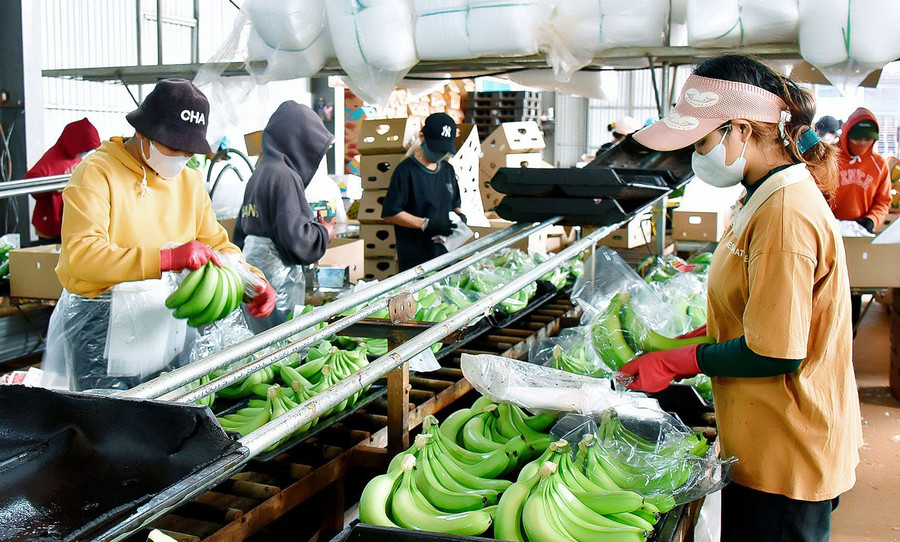
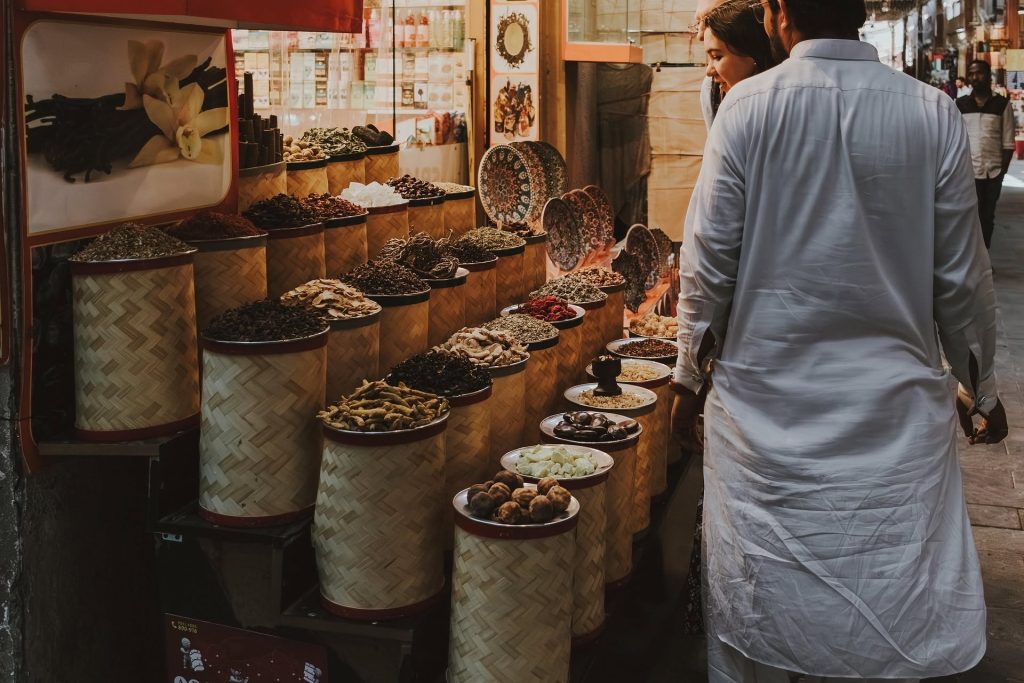
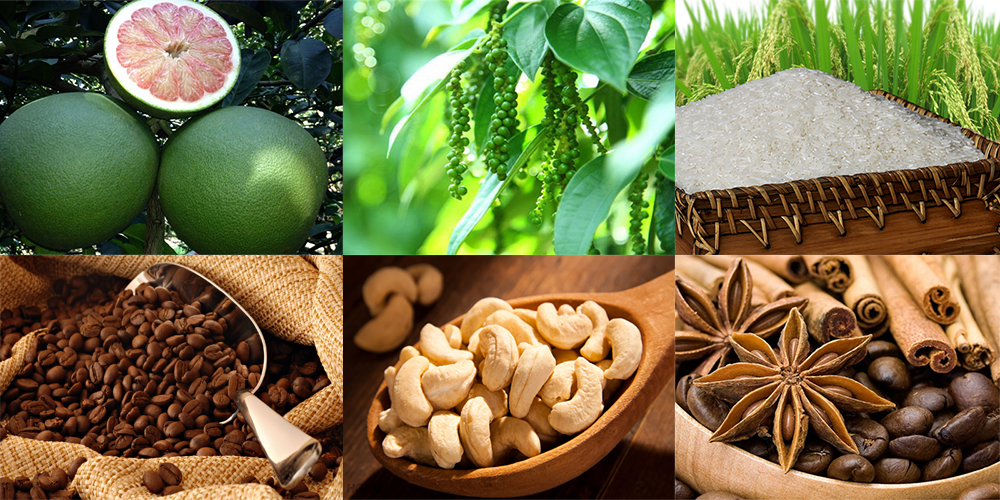
In particular, for products with high growth potential — such as coffee, cashew nuts, shrimp, fish, and specialty fruits — the Ministry will continue to support trade promotion, standardize production processes, and ensure traceability and compliance with strict quality standards demanded by markets like the U.S., EU, and China. At the same time, potential regions such as the Middle East, ASEAN, and South America will be further tapped.
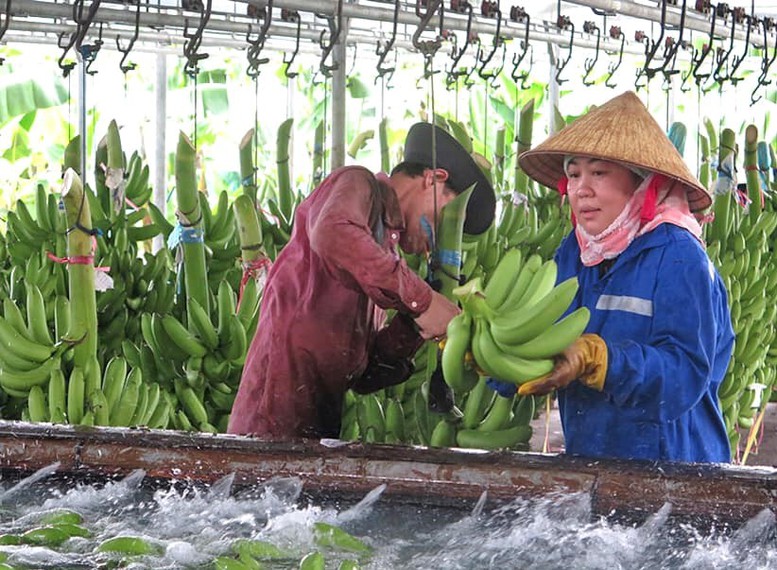
Lastly, MAE urges local governments to actively prepare standardized raw material zones, assign planting area codes, and develop qualified packing facilities to ensure stable export supply. Enterprises are encouraged to adapt quickly to market shifts, invest in deep processing, and enhance value-added products to remain competitive amid rising tariffs and logistics costs.
- VIETNAM’S FRUIT AND VEGETABLE EXPORTS POISED TO REACH USD 8 BILLION
- “INDIA” AND “MIDDLE EAST” MARKETS – OPPORTUNITIES AND CHALLENGES
- EU INCREASES PURCHASES OF VIETNAMESE FRUITS AND VEGETABLES
- AGRICULTURAL EXPORTS ARE NO LONGER A “CHEAP” DEAL
- AFTER DURIAN, VIETNAM’S NEXT “ACE UP ITS SLEEVE” IN FRUIT EXPORT