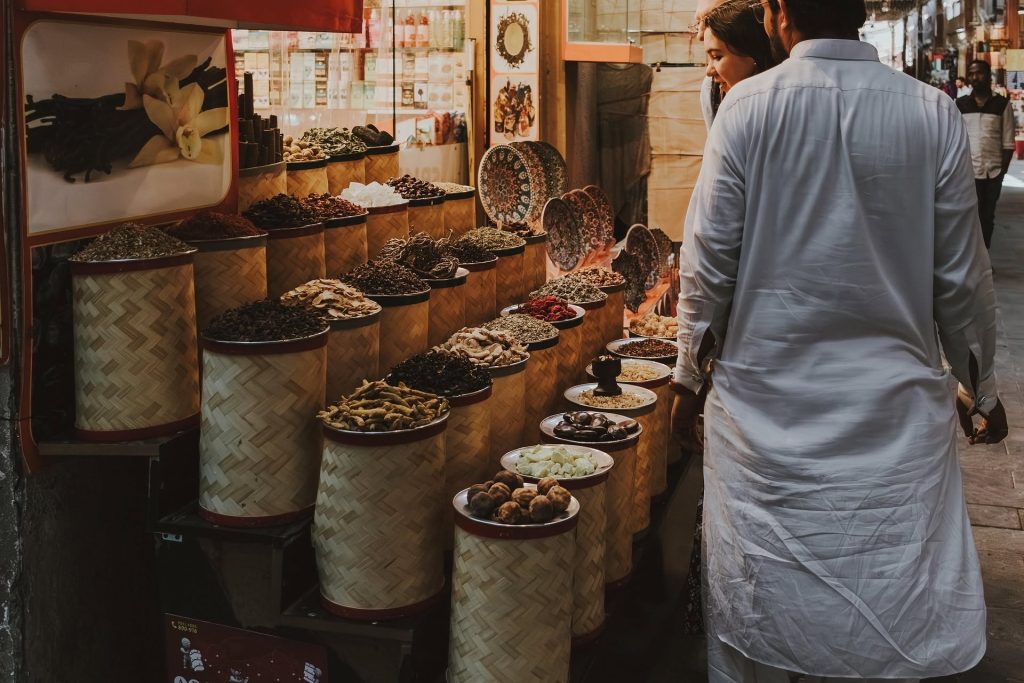
India: A Strategic Playground for Vietnamese Agricultural & Spice Products
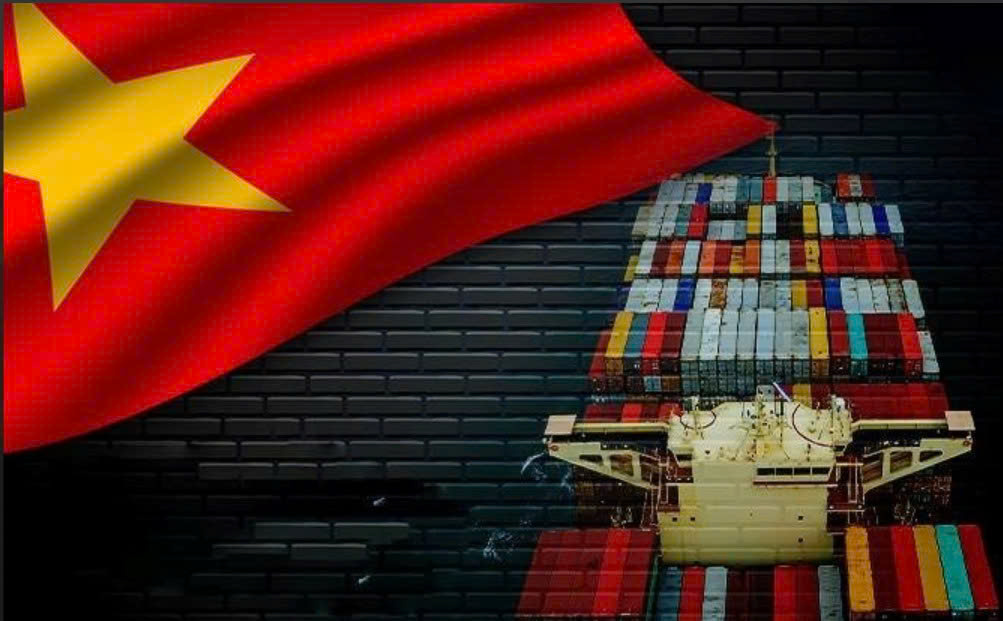
India is currently Vietnam’s 10th largest trading partner. In the fiscal year 2024–2025, bilateral trade between the two countries reached over USD 15.76 billion, with Vietnam’s exports to India amounting to USD 10.33 billion, up 10.6%, and imports from India at USD 5.43 billion.
Vietnam’s key export products to this market include:
-
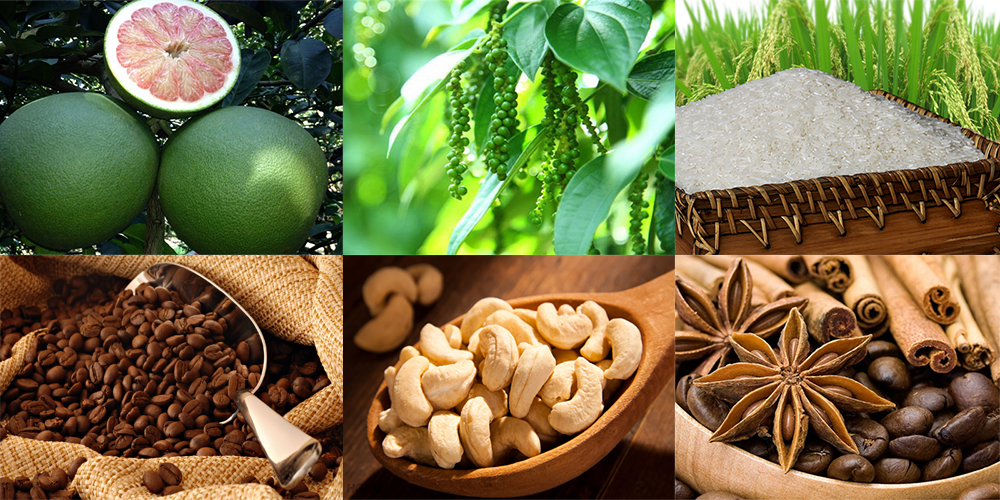
Spices: cinnamon, star anise, and pepper
-
Agro-products: cashew nuts, coffee
-
Frozen seafood: selective varieties
Notably, India has recently eased import regulations on cinnamon and star anise, opening significant opportunities for Vietnamese exporters—especially as China, a primary supplier, is witnessing a sharp production decline.
The ASEAN–India Free Trade Agreement (AIFTA) continues to offer a strong competitive edge, with 0% tariff rates on many Vietnamese agricultural products that meet rules of origin.
🔍 Suggested Strategic Actions:
-
Expand distribution networks in Maharashtra, West Bengal, and Tamil Nadu
-
Strengthen brand presence in major wholesale markets such as Kolkata and Delhi
-
Invest in traceability systems and packaging designs tailored to Indian consumer preferences
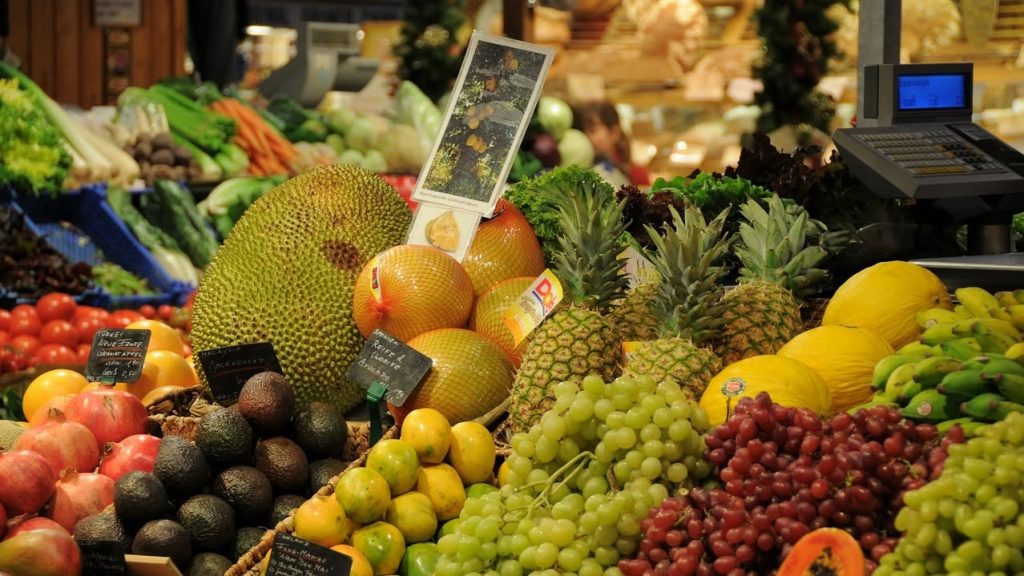
Middle East: Opportunities from Halal Standards and Preferential Trade
The Middle East is emerging as a strategic niche market for Vietnamese agricultural and seafood products—particularly following the Vietnam–UAE Comprehensive Economic Partnership Agreement (CEPA) signed in October 2024.
Under CEPA:
-
The UAE will remove 99% of import tariffs on Vietnamese goods
-
Vietnam will eliminate 98.5% of tariff lines on UAE products
As a result, bilateral trade in 2024 reached USD 4.7 billion, up 6% year-on-year.
Key Vietnamese exports include:
-
Pangasius fillet, canned tuna, and frozen shrimp
-
Total seafood export value to the region in 2024 was approximately USD 366 million—double that of five years ago
However, the region faces challenges:
-
Geopolitical instability around the Hormuz Strait and Suez Canal, significantly increasing logistics costs
-
Tightening Halal compliance requirements across the entire supply chain
🔍 Suggested Strategic Actions:
-
Standardize Halal certification across the full chain: sourcing – processing – logistics
-
Partner with logistics providers experienced in Middle East shipping routes
-
Leverage CEPA to reduce tariff costs and build long-term partnerships with buyers in the UAE and Saudi Arabia
📌 Conclusion
India and the Middle East are no longer just “potential markets”—they have become strategic launchpads for Vietnamese exports in the second half of 2025. These markets represent critical opportunities for collaboration and large-scale trade expansion. Vietnamese enterprises are well-positioned to seize this momentum.
- “INDIA” AND “MIDDLE EAST” MARKETS – OPPORTUNITIES AND CHALLENGES
- BUILDING STANDARDIZED FARMING REGIONS TO ELEVATE AGRICULTURAL EXPORTS
- GIA LAI PROVINCE_ MAKING PASSION FRUIT A MAIN AGRICULTURAL PRODUCT
- QUARTER 1/ 2025: AGRICULTURAL, FORESTRY AND FISHERY EXPORTS REACH 21.15 BILLION USD
- “NAVIGATING TARIFF STORMS: ELEVATING VIETNAMESE AGRO-EXPORTS TOWARD THE $65 BILLION GOAL”